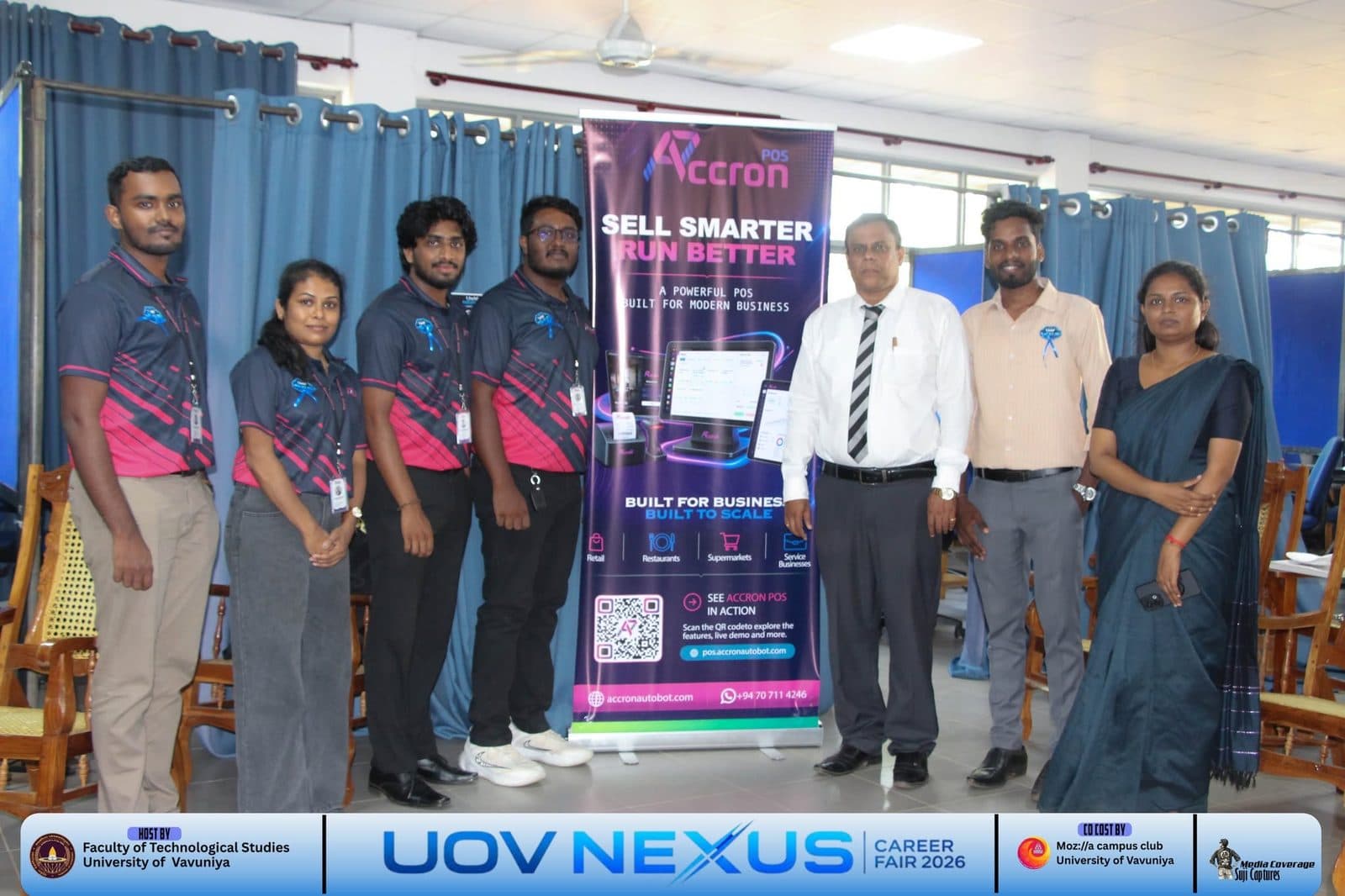

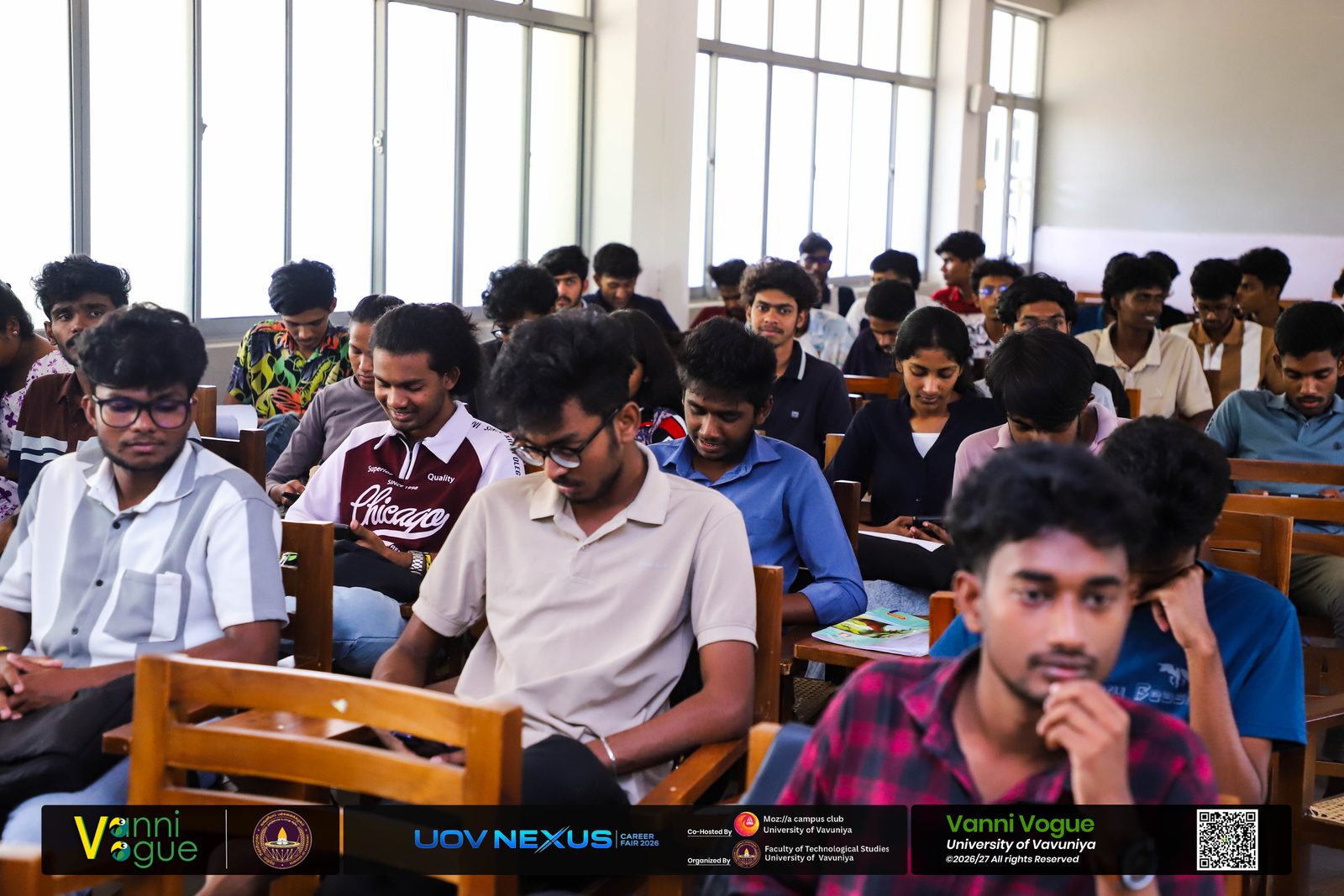
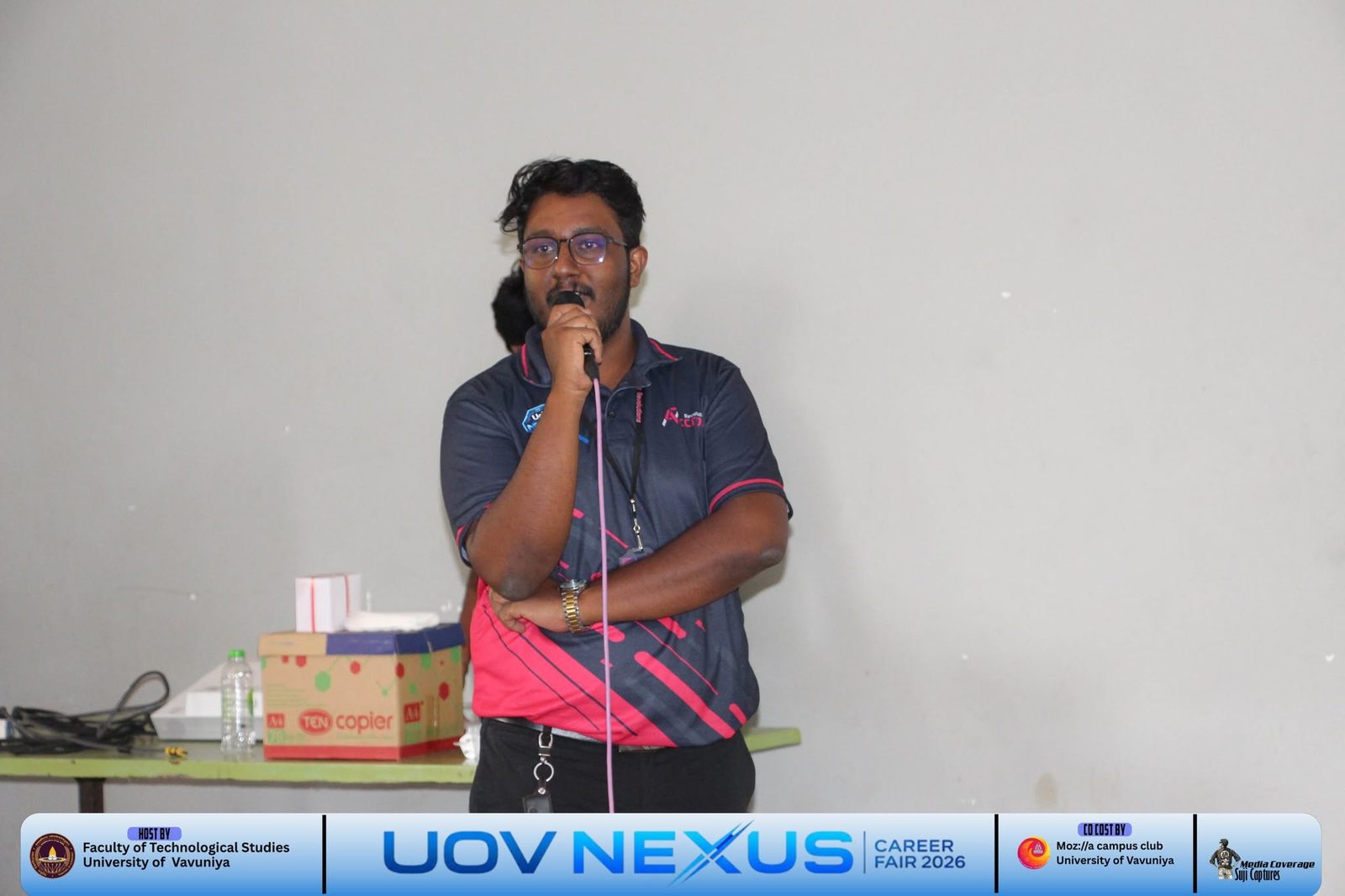
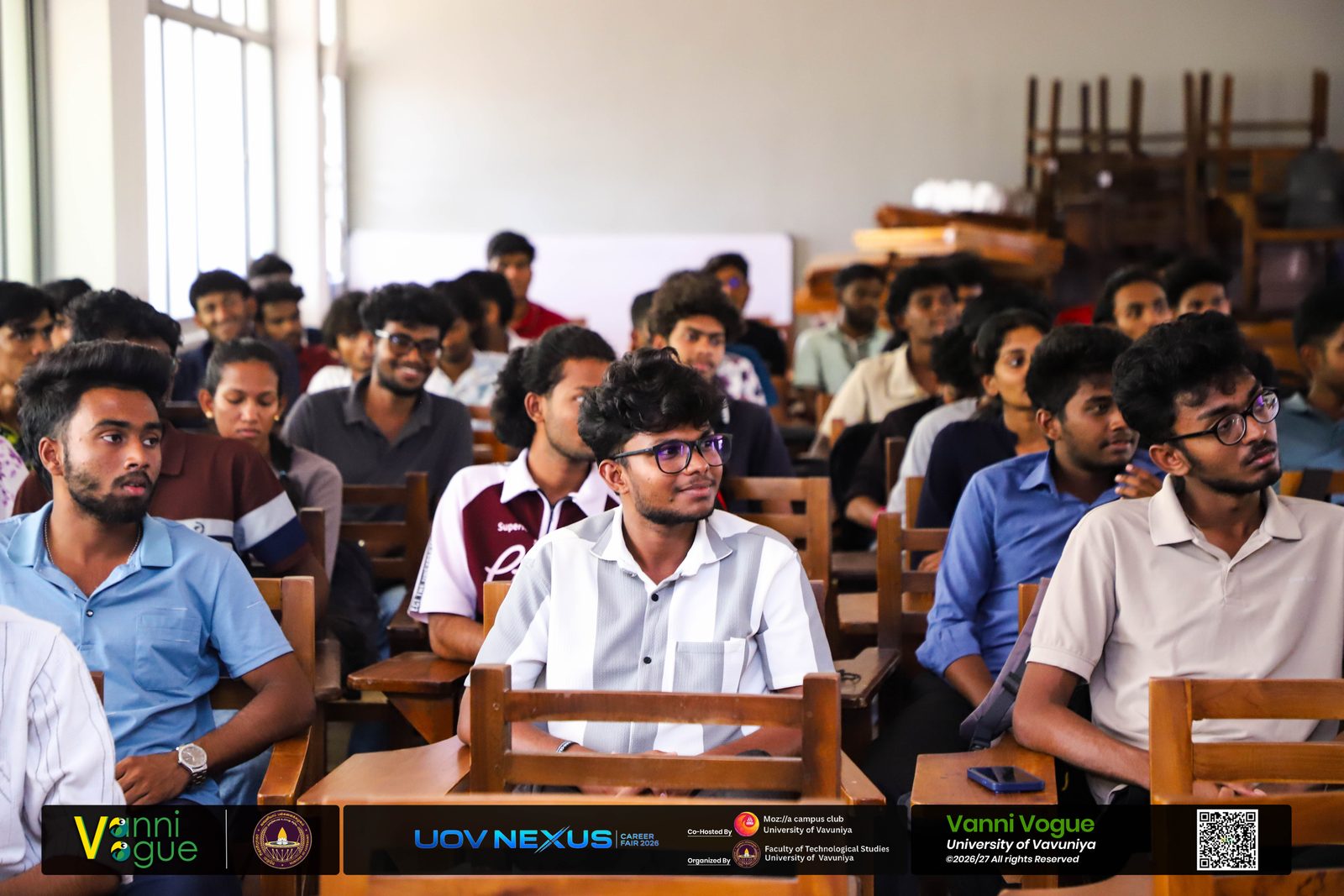
We opened our session at the University of Vavuniya NEXUS Career Fair 2026 with a show of hands: who already knows exactly what IT job they want? In a room full of first- and second-year students, very few hands went up. Sixty minutes later we asked again. This article is everything that happened in between, written up so that any IT student in Sri Lanka can use it.
It is written by the people who read your CV and sit across from you in the interview at Accron Revolutions, a software company in Vavuniya that hires interns and juniors every year. Nothing here is theory. It is what we actually look for.
Part 1: What the IT industry actually looks like
We played "myth or fact" with the room. Stand up for fact, sit down for myth. Here is how the four rounds went.
01 "You must be brilliant at maths to work in IT"
Myth. Logic beats calculus. Most IT roles need clear, structured thinking, not advanced mathematics. If you can break a problem into steps and explain those steps, you have the core skill.
02 "Everyone in IT writes code all day"
Myth. QA testing, business analysis, project management, UX design, IT support and digital marketing are all IT careers. Roughly half the industry never touches code. Every one of those roles exists inside Accron's nine service lines.
03 "From Sri Lanka, you can earn a world-class IT salary"
Fact. Remote work and foreign clients changed everything. Accron serves clients in Sri Lanka, the UAE, the USA, Mexico and Nicaragua from an office in Vavuniya. A global career no longer requires a Colombo address, let alone a foreign one.
04 "AI will replace junior developers"
We made the room wait for this one. The answer is at the end of this article, and it deserves the full context first.
Five doors into the industry
The same skills lead to five very different working lives. Knowing the difference early helps you choose deliberately instead of taking the first offer.
- Product companies build and own one product. Deep expertise, slower variety.
- Service companies build for clients. This is Accron. Many stacks, many domains, fast learning.
- Startups mean small teams and big responsibility from day one.
- Freelancing is your skills sold directly to your own clients.
- Remote for foreign firms gives a global salary with a local life.
All five are open to a graduate from Vavuniya. None of them is "the correct" one.
Part 2: Where do you fit?
IT careers fall into four families. Every path is hiring somewhere.
- Development (mobile, web, e-commerce): you build the thing.
- Data and AI (analytics, machine learning, automation): you make it smart.
- Infrastructure (cloud, DevOps, IT support): you keep it alive.
- Non-coding (QA, business analysis, project management, UX, marketing): you make it work for people.
The 60-second test
We asked the room three "would you rather" questions and had students point left or right. Try it honestly.
- Build new things, or analyse and understand?
- Work with people, or work with machines?
- Create from zero, or perfect what exists?
Build, machines, create points toward development. Analyse, machines, perfect points toward data, QA or infrastructure. People on the second question is a strong signal for business analysis, project management or UX. It is not a diagnosis, but it is a better starting point than "I like computers".
The climb is faster than you think
- Intern (3 to 6 months): learning. Absorb everything, ask, break things safely.
- Junior (1 to 2 years): contributing. Real tickets, real code, real users.
- Mid-level (2 to 4 years): owning. Features are yours, end to end.
- Senior (4+ years): leading. You multiply others and set the bar.
Most of Accron's engineers started at the first step. Internships at Accron run for six months, on-site or hybrid in Vavuniya, on real client work with a mentor. Current openings are on our careers page.
Part 3: What we actually look for
"We don't expect experts. We expect learners."
When we screen a fresher, four things matter, and they matter in this order.
- Fundamentals. Strong basics beat shallow buzzwords. Know what a variable, a loop, a function, a database and an HTTP request are, deeply.
- Attitude. Ownership, curiosity, no excuses.
- Communication. Explain your thinking clearly. If you cannot explain it, we cannot trust it.
- Learning speed. New tool on Monday, using it by Friday.
Candidate A or Candidate B?
We showed two CV summaries and let the room vote on who gets the single interview slot.
Candidate A: "Hard-working team player with excellent communication skills and a passion for technology. Knows programming and is a fast learner. Seeking a challenging position in a reputed company." Skills: Java, Python, C++, PHP, AI, Blockchain.
Candidate B: "Built a stock-tracking app for my uncle's shop with Flutter and Firebase, used daily by three real people. Wrote about what broke and how I fixed it." GitHub: 12 repositories with real commits. Skills: Flutter, Firebase, Git, "still learning the rest".
The room chose B. So do we, every time. B has proof. A has adjectives.
The five-problem CV
We put a real-looking student CV on screen and gave the room two minutes to find the problems. Here are all five, because we see them in most fresher CVs that reach us.
- An unprofessional email address. Make it firstname.lastname. Today.
- A copy-paste objective. "Seeking a challenging position in a reputed company" says nothing about you. Delete it or personalise it.
- A typo in your own degree. One typo means rejection at many firms. Proofread the words that matter most.
- Buzzword soup. Eighteen skills claimed, zero proven. Recruiters can smell it. List what you have actually built with.
- No projects, no GitHub. The only section that proves anything is empty.
How to have experience before your first job
"I have no experience" is the excuse we hear most, and it is the easiest one to remove. Nobody is stopping you from starting any of these today.
- A public GitHub. Every project you have ever touched, visible and real.
- Micro-freelance. A website for a local shop is real client work.
- Hackathons. Teamwork plus deadline plus demo equals interview gold.
- Solve a real problem. Build for your family's business, your temple, your club.
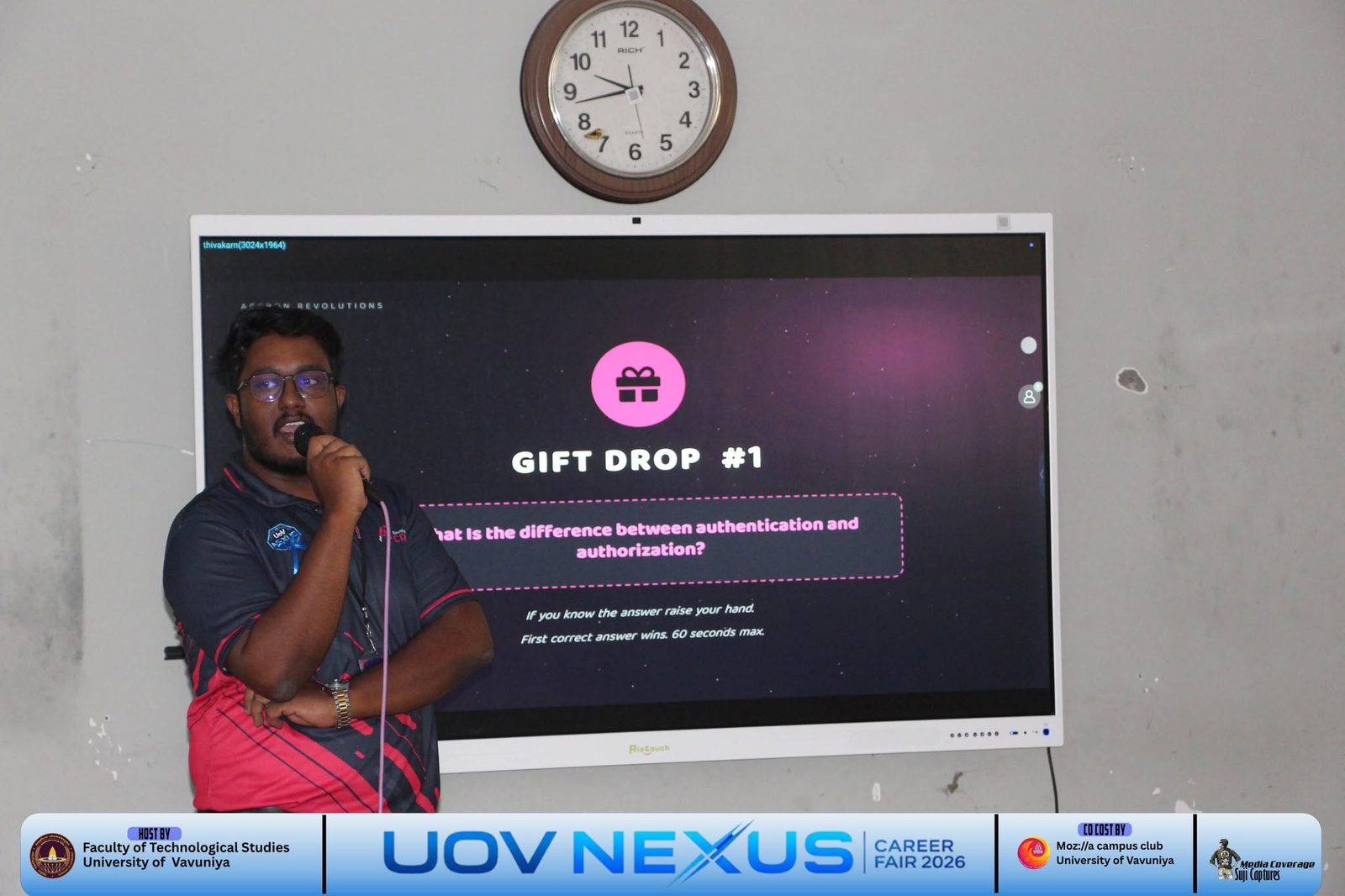
The gift drops
Five times during the session we stopped for a quick technical question. First correct answer in 60 seconds won a gift. They are all fundamentals, and they are all questions we would happily ask in an internship interview.
- What is the difference between authentication and authorization?
- What is the difference between a syntax error and a logical error?
- What is a recursive function?
- What is the purpose of DNS?
- What is black-box testing?
If any of those made you pause, that is your reading list for the week.
Part 4: The hot seat, a live interview
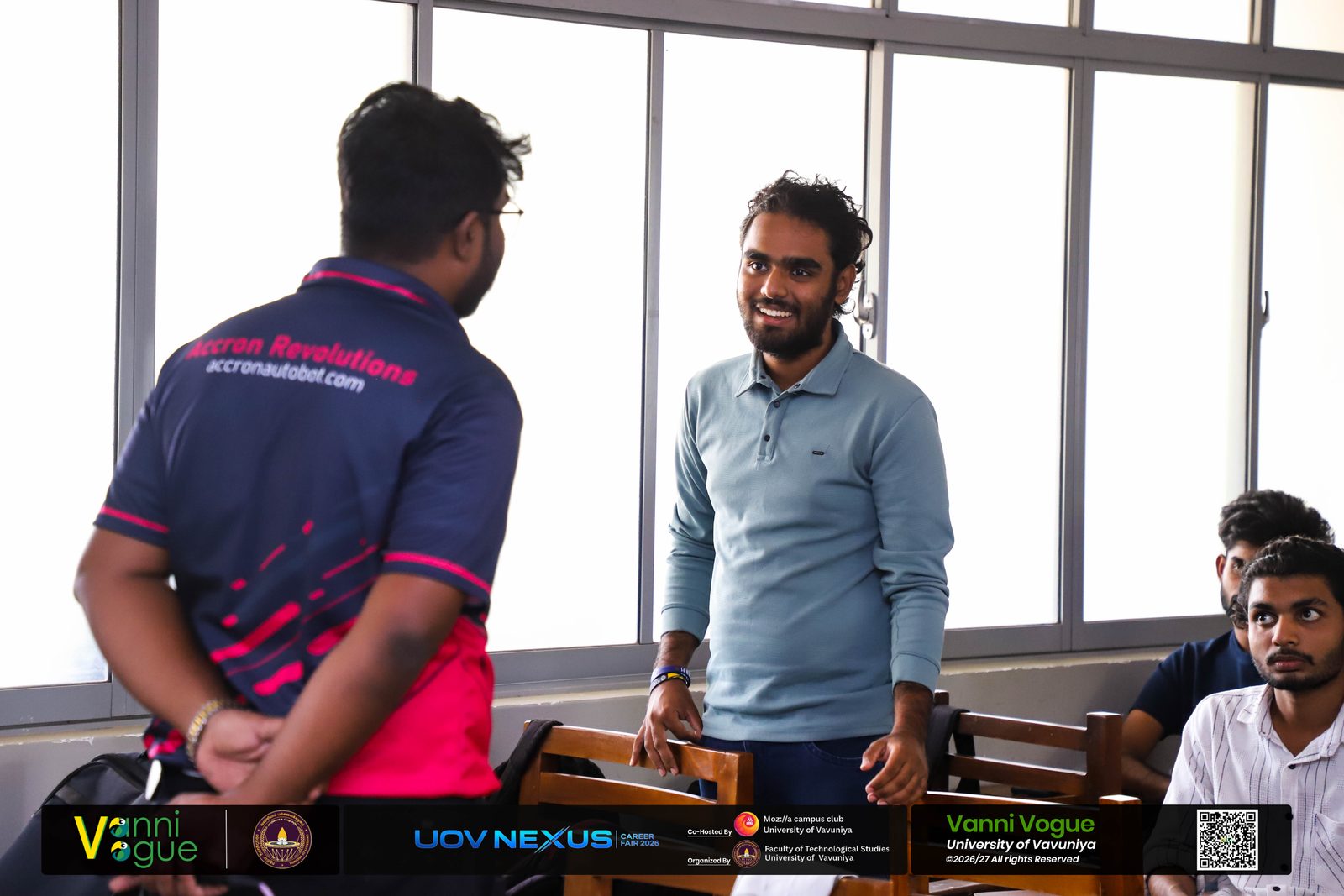
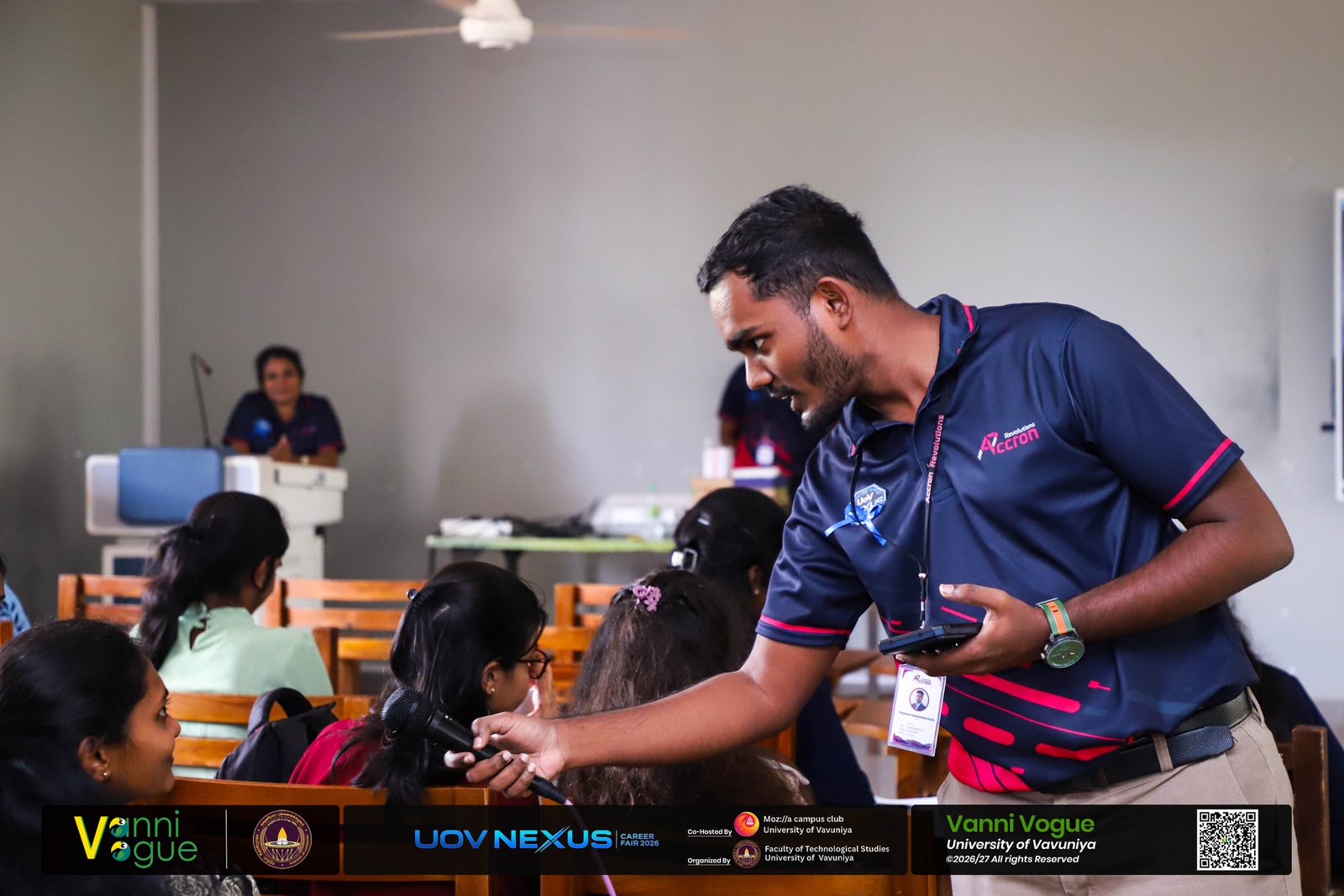
Volunteers came to the front for a real interview in front of the room. After each answer, the audience voted: hire or pass. Before we started, we showed what you are actually being judged on at each stage.
- CV screen (about 6 seconds): clean, specific, projects visible.
- HR call (15 minutes): attitude, clarity, salary sanity.
- Technical (1 hour): how you think, not what you memorised.
- Final round (30 minutes): "would we enjoy working with you?"
"Tell me about yourself": weak versus strong
Weak: "Umm, I'm Kasun, I'm studying IT, I like coding and technology, and, yeah, that's it basically." Facts the interviewer already has. Zero story.
Strong: "I'm a final-year student who builds real things. My stock app runs daily in my uncle's shop. I broke it twice and fixed it twice. I want a team where juniors ship real code." Specific, proven, shows growth, ends with intent.
The three interview commandments
- Be specific.
- Show projects.
- Ask questions back.
An interview is a conversation, not an interrogation.
Round 4, settled: will AI replace junior developers?
"AI won't take your job. A graduate who uses AI will."
AI writes code now. It does not know why. Debugging, design and judgment are still human work, and they are exactly what fundamentals give you. Three moves keep you ahead.
- Learn with AI. Use it to understand faster, not to copy answers you cannot explain.
- Master fundamentals. They are the part AI cannot do for you.
- Build AI-assisted projects. A student who ships with AI tools beats one who never tried them.
For what it is worth, AI helped design the session's slides. That was the point.
One last show of hands
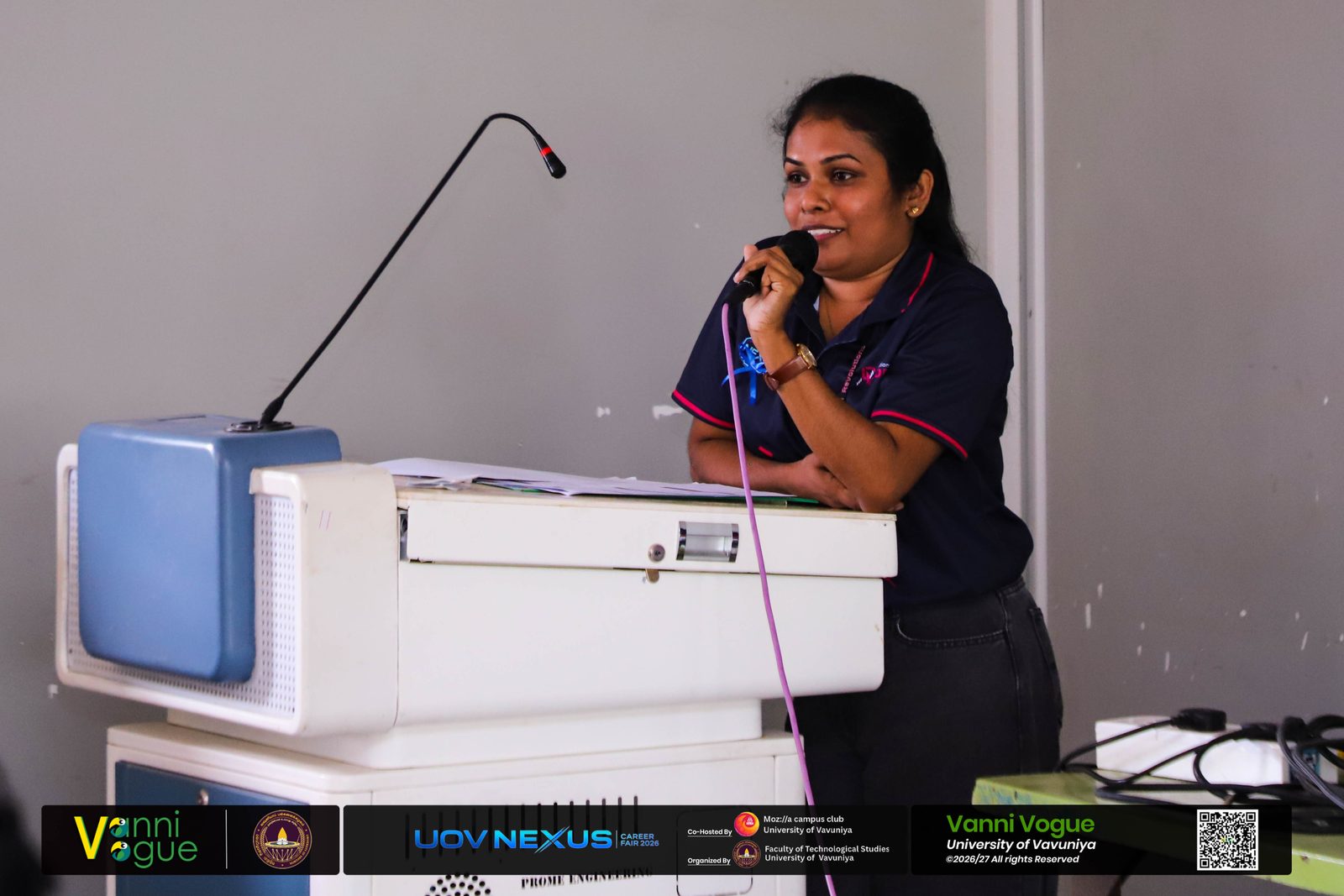
At the end we asked again: now who knows what path they want? Far more hands. The difference between the two counts is why Accron runs sessions like this at universities across Sri Lanka, and why we will keep doing it.
Your first step starts here
- We hire interns and juniors. Openings and the application flow are on the Accron careers page.
- Read the recap of the day itself: Accron at the University of Vavuniya NEXUS Career Fair 2026.
- More on getting hired: Tips for freshers to get hired.
- Want this session at your university? Talk to us. We also partner on hackathons.